Protecting Your Trees from Spotted Lanternflies
If you live in Chambersburg or the surrounding communities, you have likely noticed an unwelcome visitor making itself at home in our local landscapes. The spotted lanternfly has become a significant concern for homeowners and agricultural professionals alike. These invasive insects are more than just a nuisance; they pose a serious threat to the health and vitality of our local hardwood trees, orchards, and ornamental plants.
As these pests continue to spread across the region, protecting your property requires a proactive approach. Whether you manage a small suburban backyard or a sprawling farmette, understanding how these insects operate and what you can do to stop them is crucial. At Clearview Tree Service, we believe in empowering our community with the knowledge and professional support needed to keep our local environment thriving. In this guide, we will walk you through how to spot the signs of an infestation, the best ways to manage your landscape to deter them, and when it is time to call in the professionals for help.
Identifying Spotted Lanternfly Damage on Hardwood Trees
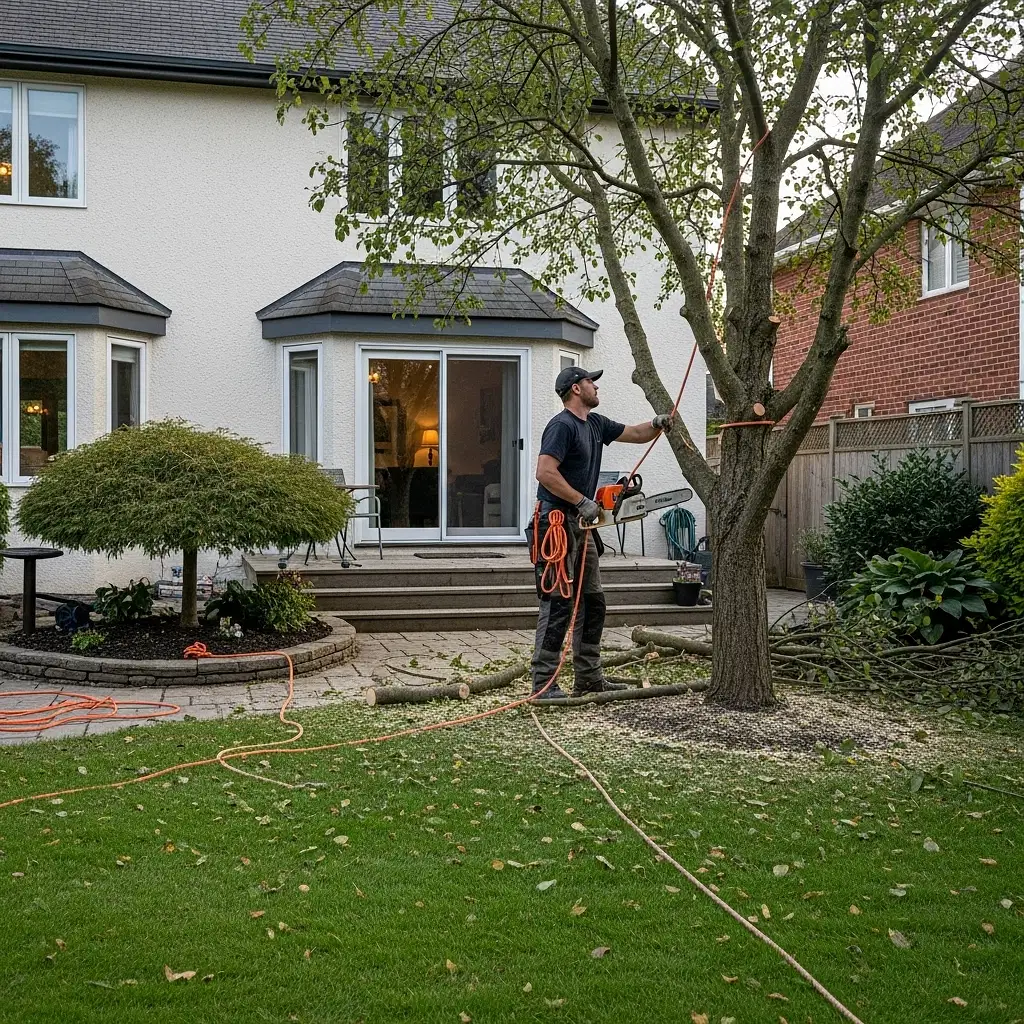
The first step in protecting your property is knowing exactly what to look for. Spotted lanternflies do not bite or sting humans, nor do they eat the leaves of trees like caterpillars do. Instead, they use their piercing mouthparts to tap into the tree's vascular system, feeding directly on the sap. This feeding process weakens the tree over time, making it highly susceptible to disease and other environmental stressors.
When identifying spotted lanternfly damage on hardwood trees, one of the most obvious signs is weeping sap along the trunk or major branches. As the insects feed, they excrete a sticky, sugary substance known as honeydew. This honeydew coats the bark and the ground below, quickly leading to the growth of black sooty mold. If you notice a dark, powdery substance at the base of your trees or a sudden influx of wasps and ants attracted to the sweet honeydew, you likely have an infestation.
Catching these signs early is vital. While a healthy, mature tree might withstand a mild infestation for a season, repeated attacks will severely compromise its structural integrity. Incorporating regular inspections into your seasonal tree care routine is one of the most effective ways to monitor your property and catch these pests before they cause irreversible harm.
Best Tree Pruning Practices for Pest Management
A healthy tree is your best defense against any invasive species. Trees that are overgrown, diseased, or struggling to compete for sunlight and nutrients are far more likely to succumb to the stress of a lanternfly infestation. This is where strategic maintenance plays a critical role.
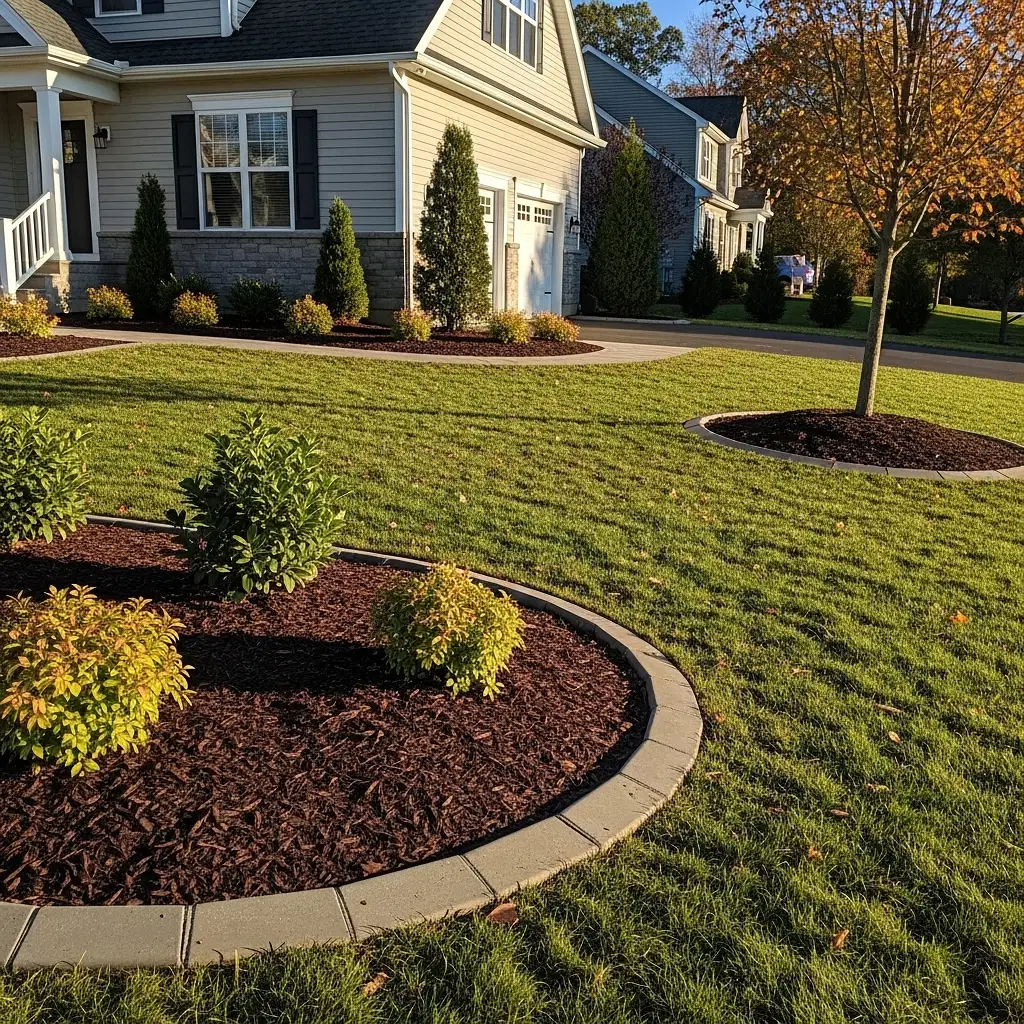
Implementing the best tree pruning practices for pest management involves removing dead, dying, or crossing branches that create unnecessary stress on the tree. By opening up the canopy, you improve air circulation and sunlight penetration, which naturally deters pests that prefer dense, damp environments. Furthermore, proper pruning helps the tree direct its energy toward robust growth and natural defense mechanisms rather than trying to heal failing branches.
If you have a larger property or a dense woodlot, managing this on your own can be overwhelming and potentially dangerous. Professional tree trimming ensures that the right cuts are made at the right time of year, promoting optimal health without exposing the tree to further risk. Our team prioritizes quality workmanship and professionalism, ensuring your trees are shaped and maintained to withstand the unique environmental challenges of our region.
Removing Tree of Heaven to Control Lanternflies
While spotted lanternflies will feed on a wide variety of plants, they have a distinct favorite: the Tree of Heaven (Ailanthus altissima). This rapidly growing, invasive tree species is highly prevalent across Franklin County and serves as the primary breeding ground for the lanternfly. In fact, experts agree that managing the Tree of Heaven population is one of the most critical steps in controlling the spread of this pest.
If you have Tree of Heaven on your property, removing it is highly recommended. However, this is not a simple DIY project. The Tree of Heaven has an aggressive root system that will send up dozens of new shoots if the main trunk is simply cut down without proper treatment. Removing tree of heaven to control lanternflies requires a strategic approach, often involving professional tree removal and targeted stump management to ensure the tree does not return.
For properties with extensive overgrowth, comprehensive tree cutting and clearing services can help eliminate these host trees safely and efficiently. By removing their preferred habitat, you significantly reduce the likelihood of lanternflies congregating and multiplying on your land.
Seasonal Tree Care for Invasive Species Prevention
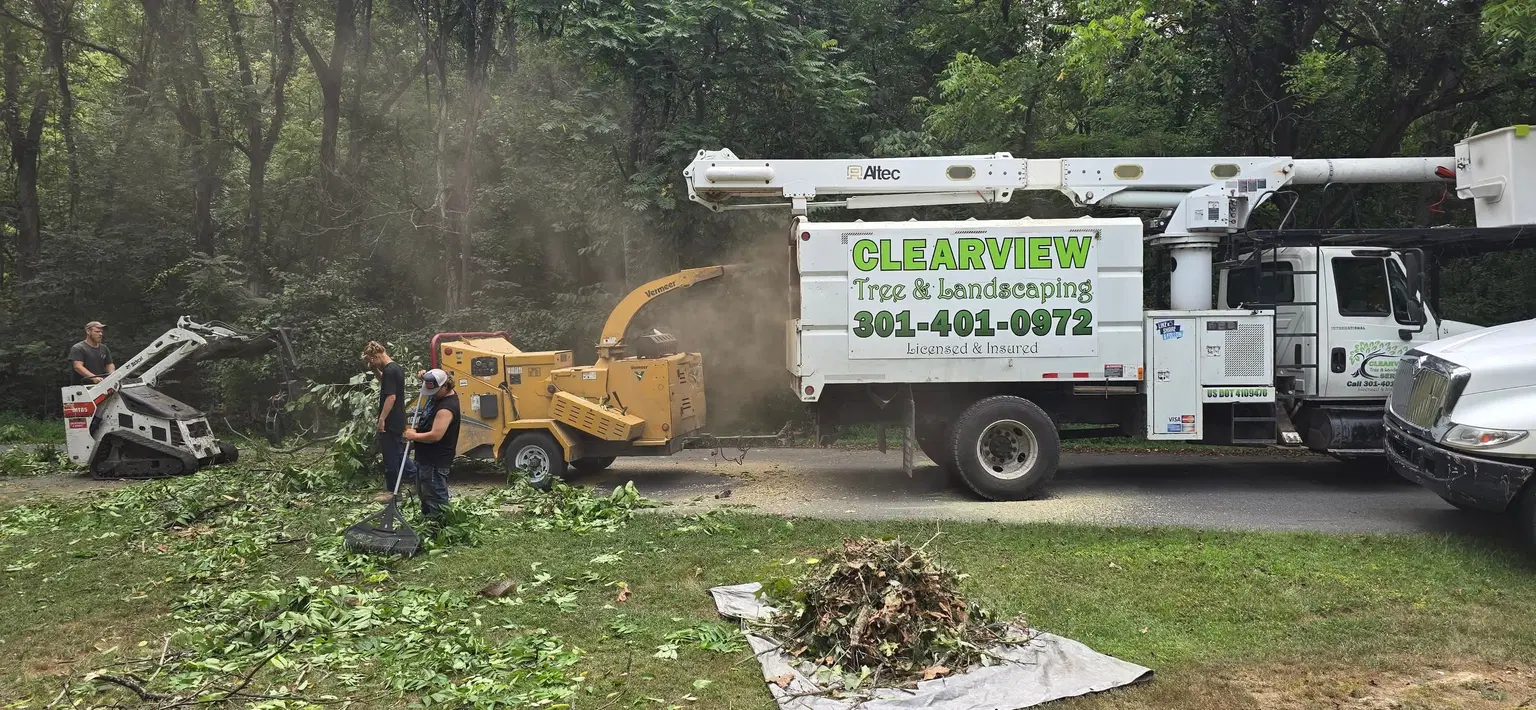
Protecting your landscape is a year-round commitment. Seasonal tree care for invasive species prevention involves different strategies as the weather changes. In the late fall and winter, the focus shifts to locating and destroying lanternfly egg masses, which look like smears of gray mud on tree trunks, rocks, and even outdoor furniture. Scraping these masses into a container of rubbing alcohol before they hatch in the spring can eliminate thousands of pests before they ever become a problem.
During the spring and summer, maintaining the overall vigor of your landscape through proper watering, mulching, and professional maintenance will keep your trees resilient. We know that local homeowners value reliability, clear communication, and excellent customer service when it comes to protecting their property investments. That is why we are dedicated to providing transparent, expert guidance tailored to the specific soil and climate conditions of our area.
If you are concerned about the health of your trees or need assistance managing an invasive pest problem, do not wait until the damage is done. The team at Clearview Tree Service is here to help you reclaim your outdoor spaces. From routine maintenance to complex removals, we have the expertise to keep your property looking its best. Contact us today to schedule a consultation and learn how we can protect your piece of The Valley.