A Homeowner's Guide to Safely Managing Storm Damage and Fallen Trees
The weather here in the Shenandoah Valley can be unpredictable. One minute the sun is shining, and the next, high winds and heavy rain are lashing against your windows. While our homes are built to withstand the seasons, our trees can often bear the brunt of a severe storm. A fallen tree or a large, broken limb can be more than just an inconvenience; it can be a serious hazard to your family and your property. The stress and uncertainty of what to do next can be overwhelming.
At Clearview Tree Service, we understand the urgency and concern that comes with storm damage. That's why we've put together this guide to help you navigate the aftermath safely and effectively. This post will walk you through the immediate steps to take, how to assess the damage, and why calling a professional is often the safest choice for you and your home.
Step 1: Prioritize Safety Immediately After the Storm
Once the storm has passed and it's safe to go outside, your first priority must be safety. Adrenaline can be high, but rushing to clean up can lead to serious injury. Before you do anything else, follow these critical safety precautions:
- Scan for Downed Power Lines: This is the most important rule. Assume every downed wire is live. Stay at least 25 feet away and keep children and pets far from the area. Contact your utility company immediately to report the hazard. Do not touch anything that is in contact with a downed line, including fences, puddles, or tree limbs.
- Assess Your Surroundings from a Distance: Look for immediate dangers from a safe distance. Are there any large branches hanging precariously (often called 'widow-makers')? Is a tree leaning towards your house, a neighbor's property, or a public walkway? Avoid walking directly under damaged trees.
- Document the Damage: Before any cleanup begins, take photos and videos of the damage from multiple angles. Capture images of fallen trees, broken limbs, and any impact on your home, roof, vehicles, or fences. This documentation is crucial for your homeowner's insurance claim and helps provide a clear picture for any professionals you call.
Step 2: How to Assess the Extent of the Tree Damage
Understanding the severity of the damage will help you determine the right course of action. Not all storm damage requires emergency intervention, but some situations are critical. Here’s what to look for:
- Minor Damage: If you only see small, fallen branches (less than a few inches in diameter) scattered across your yard, the cleanup is likely manageable. The tree itself is probably healthy.
- Moderate Damage: Look for larger broken branches, especially on mature trees. While the tree might survive, these broken limbs need to be properly pruned to prevent disease and decay. A professional can make clean cuts that promote healing.
- Severe Damage: This is where the situation becomes dangerous. Red flags include:
- A Split Trunk: If the main trunk of the tree is split, its structural integrity is severely compromised. This is a major hazard and often requires complete tree removal.
- A Leaning Tree: If a tree is suddenly leaning, especially if the ground around its base is heaved up, the root system has likely failed. It could fall at any moment.
- More than 50% of the Crown is Gone: If a tree has lost most of its major branches and leaf-bearing structure, it may not be able to survive.
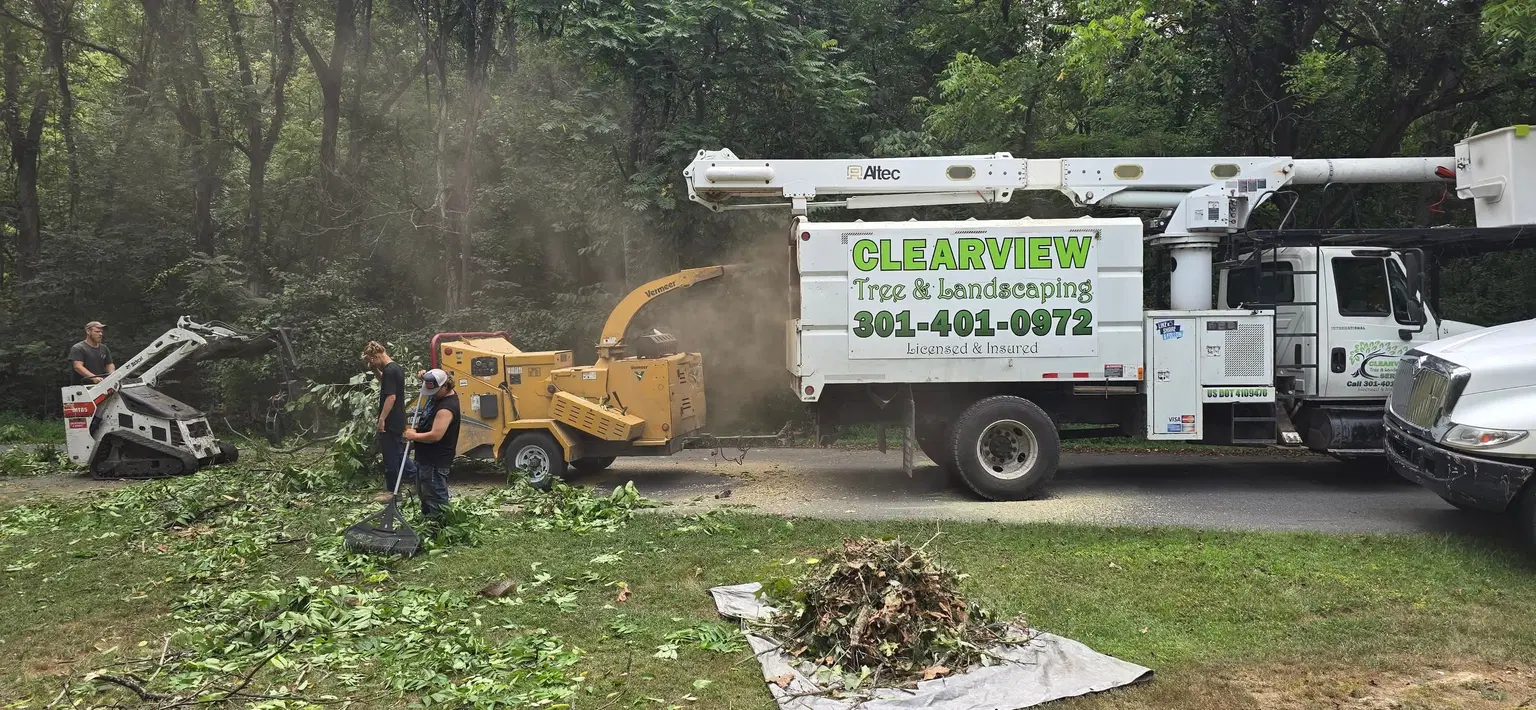
- A Fallen Tree: A tree that has completely uprooted or snapped is an obvious hazard that requires professional equipment and expertise for safe removal.
The Hidden Dangers of DIY Storm Cleanup
It can be tempting to grab a chainsaw and start cutting up a fallen tree to save time and money. However, this can be an incredibly dangerous decision. Storm-damaged trees are unstable and unpredictable. Here’s why DIY cleanup is so risky:
- Tension and Compression: Fallen trees and limbs are under immense, unseen forces. A branch might be bent under tension (a 'spring pole') and can snap back with lethal force when cut incorrectly.
- Instability: A partially fallen tree can shift, roll, or fall completely without warning during the cutting process.
- Improper Equipment: Chainsaws are powerful tools that require extensive training and proper safety gear (PPE). An accident can happen in a split second and have devastating consequences.
- Causing More Damage: Attempting to remove a large tree without the right knowledge can lead to it falling on your house, fence, or other structures, turning a bad situation into a catastrophic one.
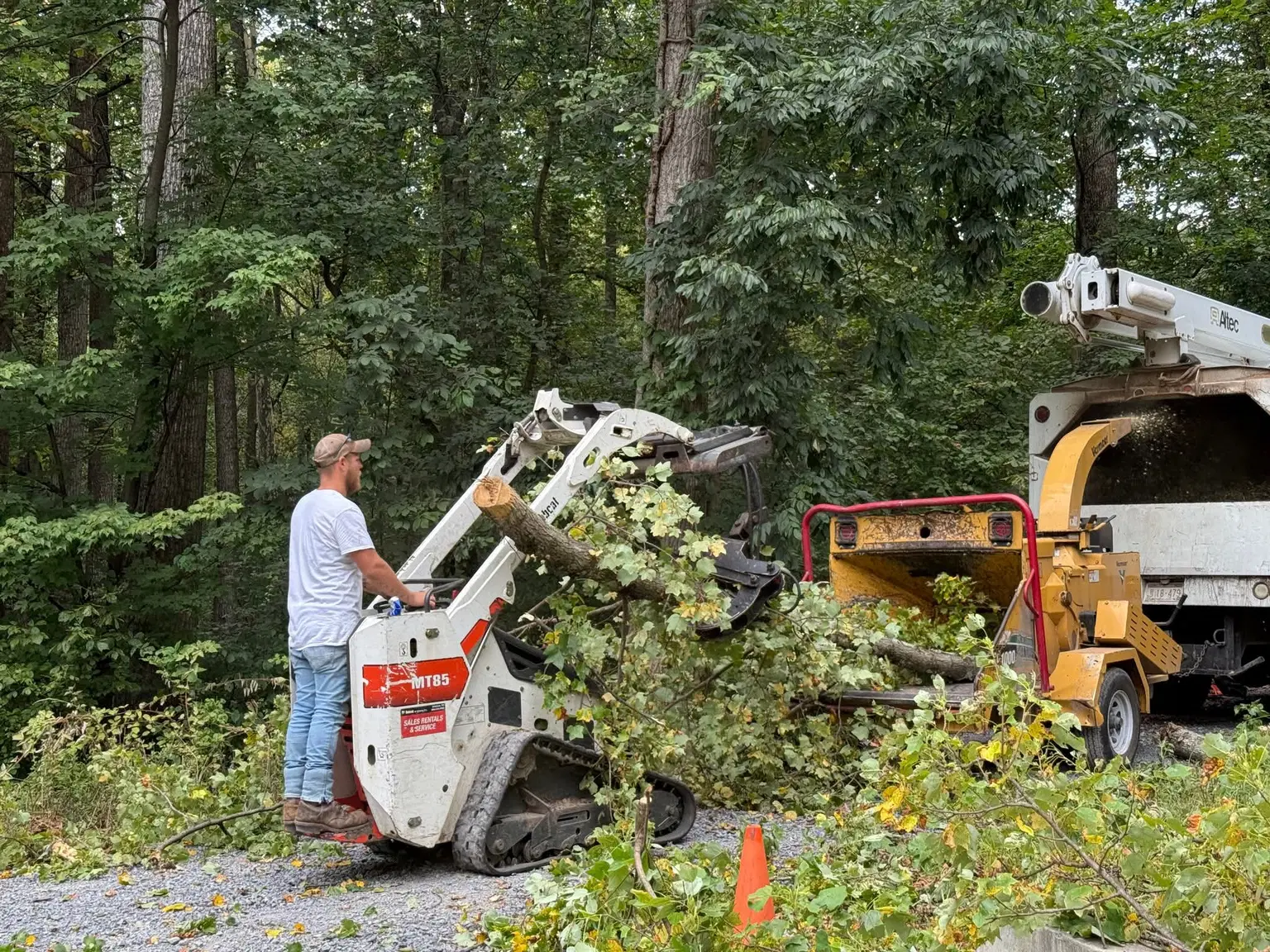
Your safety and the integrity of your property are paramount. For anything beyond small, manageable branches, relying on a professional is a wise investment. Our teams are trained to handle these complex and hazardous situations with precision and care.
Your Trusted Partner for Safe Storm Recovery
Navigating the aftermath of a storm is stressful enough without having to worry about the safety of your property. Knowing when to call for help is key. If you're facing any of the severe damage indicators mentioned above—or if you simply feel unsure or unsafe—it's time to contact a professional.
At Clearview Tree Service, our core values are professionalism, quality workmanship, and excellent customer service. We have the experience, training, and specialized equipment to handle any tree storm damage situation safely and efficiently. From assessing hazardous trees to complete storm cleanup and removal, we are here to restore safety and order to your property.
Don't risk your safety or your home. If you need help with storm-damaged trees in Berkeley County & Jefferson County, reach out to the experts. Contact Clearview Tree Service today for a prompt assessment and a free estimate. We're here to help you recover quickly and safely.