A Homeowner's Guide to Safely Managing Fallen Trees After a Storm
Spring storms in Berkeley and Jefferson Counties can be unpredictable, bringing high winds and heavy rain that test the strength of even the most mature trees. When a storm passes, the last thing any homeowner wants to see is a large tree down in their yard. Whether it's blocking your driveway, resting against your house, or tangled in utility lines, a fallen tree is a stressful and dangerous situation. Your first instinct might be to start clearing the debris yourself, but this is one job where a DIY approach can lead to serious injury or further property damage. This guide will walk you through the critical first steps to take and explain why calling a professional is the safest choice for you and your property.
Step 1: Assess the Situation from a Safe Distance
Your absolute first priority after a storm is safety. Before you even think about cleanup, you need to assess the situation from a distance and identify any immediate dangers. Keep children and pets indoors and well away from the area.
Your Immediate Safety Checklist:
- Check for Power Lines: This is the most critical hazard. If the fallen tree is touching or has brought down any power lines, do not go near it. Assume every downed line is live and extremely dangerous. Contact your utility company immediately to report the hazard before calling anyone else.
- Inspect for Structural Damage: From a safe vantage point, look at your home, garage, and any other structures on your property. Has the tree impacted the roof, walls, or foundation? Make a note of any damage, but do not enter a building that appears compromised.
- Look for Unstable Limbs: A fallen tree is often a web of hazards. Look up into the surrounding trees for large, broken branches that are still hanging. These are known as 'widow-makers' for a reason—they can fall without warning.
- Document Everything: Once you are sure there are no immediate electrical threats, take photos of the fallen tree and any damage from multiple angles. This documentation will be essential when you file your homeowner's insurance claim.
The Hidden Dangers of DIY Tree Removal
While many homeowners are comfortable with routine yard work, removing a storm-damaged tree is a complex task that requires specialized knowledge and equipment. The risks involved are significant and often invisible to the untrained eye.
Here’s why this is a job for professionals:
- Unpredictable Tension and Compression: A fallen tree is under enormous, uneven stress. Branches can be bent under tension or compressed by the weight of the trunk. A wrong cut can cause a limb to snap back with violent force or cause your chainsaw to kick back, leading to severe injury.
- Instability and Shifting: The tree may be precariously balanced. Removing a section can cause the entire trunk to roll, shift, or drop suddenly, trapping anyone nearby.
- Inadequate Equipment: A standard homeowner's chainsaw is often not powerful enough for a large trunk, and attempting the job without proper rigging, safety gear, and heavy equipment is incredibly dangerous.
- Insurance and Liability: A professional, insured company carries the necessary coverage to protect you from liability. If you attempt the removal yourself and cause damage to a neighbor's property or injure someone, you could be held financially responsible. Our professional tree storm cleanup services are fully insured for your peace of mind.
The Professional Process for Safe and Efficient Cleanup
When you call Clearview Tree Service, you're not just hiring muscle; you're investing in expertise, safety, and a systematic approach to a dangerous problem. We handle tree storm damage with a clear, methodical process.
- Emergency Assessment: Our team arrives quickly to evaluate the scene. We identify all potential hazards, from downed lines to unstable limbs, and create a strategic plan for safe removal.
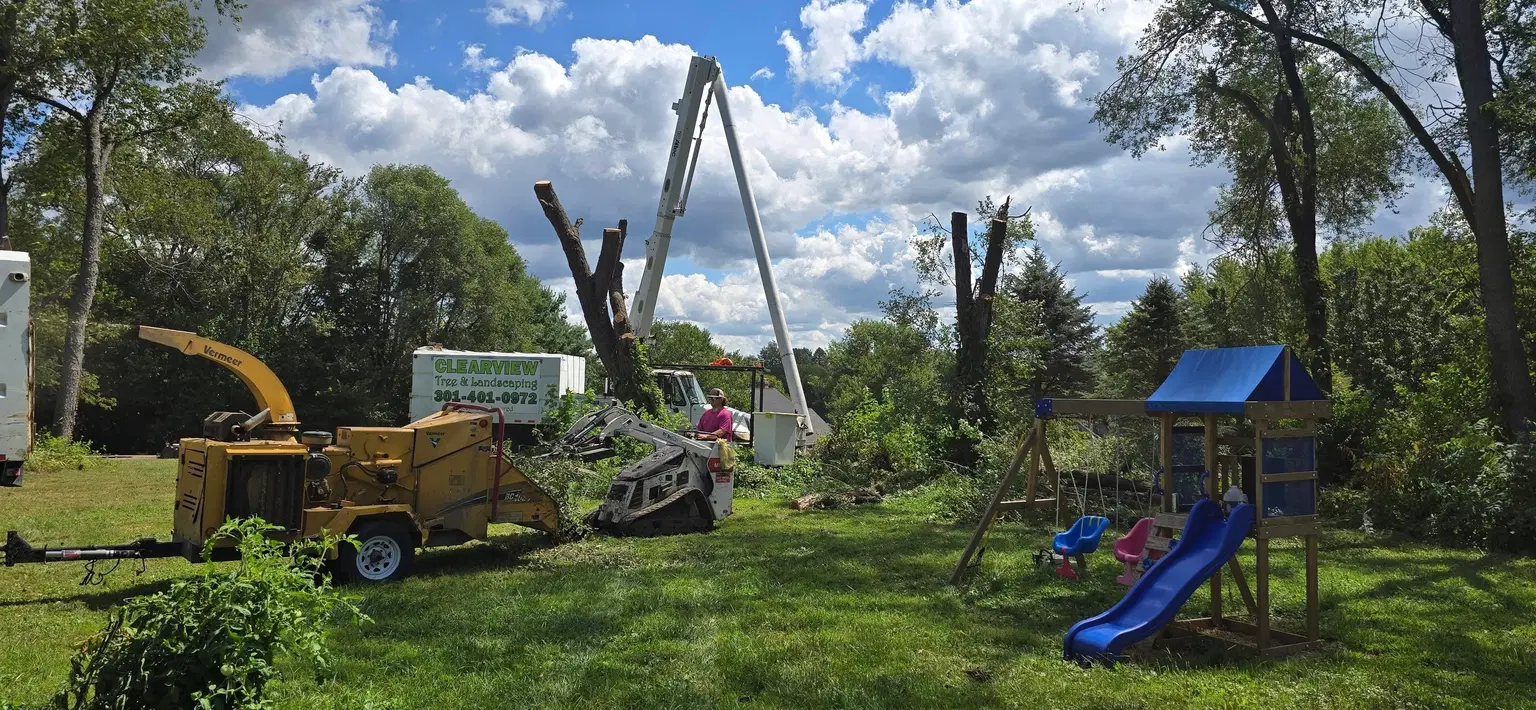
- Controlled Dismantling: Our certified experts understand the physics of a fallen tree. We begin by carefully removing smaller branches to create a safe work zone. Then, using advanced cutting techniques and proper rigging, we systematically section the larger limbs and trunk, ensuring each piece is controlled as it's removed.
- Thorough Debris Removal: A key part of the job is the tree cleanup. We don't just cut up the tree and leave a mess. We can chip the branches, haul away the logs, and clear your yard of all related debris, restoring order to your property.
- Future Risk Inspection: After the immediate threat of the fallen tree is gone, we can inspect other trees on your property for damage sustained during the storm that might not be obvious, helping you prevent future emergencies.
Your Partner in Storm Recovery
A fallen tree can be overwhelming, but you don't have to manage the aftermath alone. Prioritizing safety and calling in professionals is the most important decision you can make. It ensures the problem is resolved efficiently and without putting you or your property at further risk.
If a storm has impacted your property in Berkeley or Jefferson County, contact Clearview Tree Service for prompt and professional emergency tree services. We are here to help you safely and quickly restore your property. Request a quote online or call us today for immediate assistance.