A Homeowner's Guide to Safe Tree Removal for Native Plant Gardens
Across Berkeley and Jefferson Counties, a wonderful movement is taking root. Homeowners are transforming their yards into vibrant habitats with native plants, creating beautiful spaces that support local pollinators and wildlife. But what happens when an existing tree—perhaps one that's unhealthy, invasive, or simply in the wrong spot—stands in the way of your vision for a sun-drenched pollinator paradise?
While it might seem counterintuitive, the first step in creating a new, thriving ecosystem is sometimes the strategic removal of an old tree. This guide will walk you through why and how to safely handle tree removal to make way for a beautiful native plant garden, ensuring the process is managed with the professionalism and care your property deserves.
Why Remove a Tree to Plant a Garden?
Deciding to remove a tree isn't always easy, but it's often a necessary step toward achieving a healthier, more sustainable landscape. Here are a few key reasons why removing a specific tree can be the right choice for your property's future:
- Combating Invasive Species: Not all trees offer the same ecological benefits. Non-native, invasive species like the Bradford Pear or Norway Maple can dominate a landscape, out-competing native flora for sunlight, water, and nutrients without providing the right food or shelter for local wildlife. Removing them is an act of landscape restoration.
- Creating Space and Sunlight: Many of our most beautiful native wildflowers and shrubs, such as coneflowers, milkweed, and black-eyed Susans, thrive in full sun. A large, dense tree canopy can cast too much shade, preventing these essential pollinator plants from flourishing. Strategic removal opens up your yard to the sunlight needed for a vibrant garden bed.
- Addressing Health and Safety Concerns: A tree that is diseased, dying, or structurally compromised poses a significant risk to your home and family. Dead branches can fall unexpectedly, and a weak trunk can fail during a storm. Removing a hazardous tree is a proactive measure to ensure your property is safe. Likewise, a tree planted too close to your foundation or utility lines may need to be removed to prevent costly future damage.
The Professional Approach to Tree Removal
Once you've decided a tree needs to go, the next crucial decision is how to get it done. While a DIY approach might seem tempting, tree work is one of the most dangerous jobs a homeowner can attempt. The risks of property damage, serious injury, and an incomplete job are incredibly high. This is where professionalism and quality workmanship make all the difference.
A professional tree service follows a meticulous process to ensure safety and efficiency:
- Initial Consultation: An expert will visit your property to assess the tree, identify any potential hazards like nearby power lines or structures, and discuss your goals for the space.
- Strategic Planning: Based on the assessment, the team develops a detailed plan for the tree cutting and removal. This includes determining the felling direction, using ropes and specialized rigging to control the descent of limbs, and protecting the surrounding landscape.
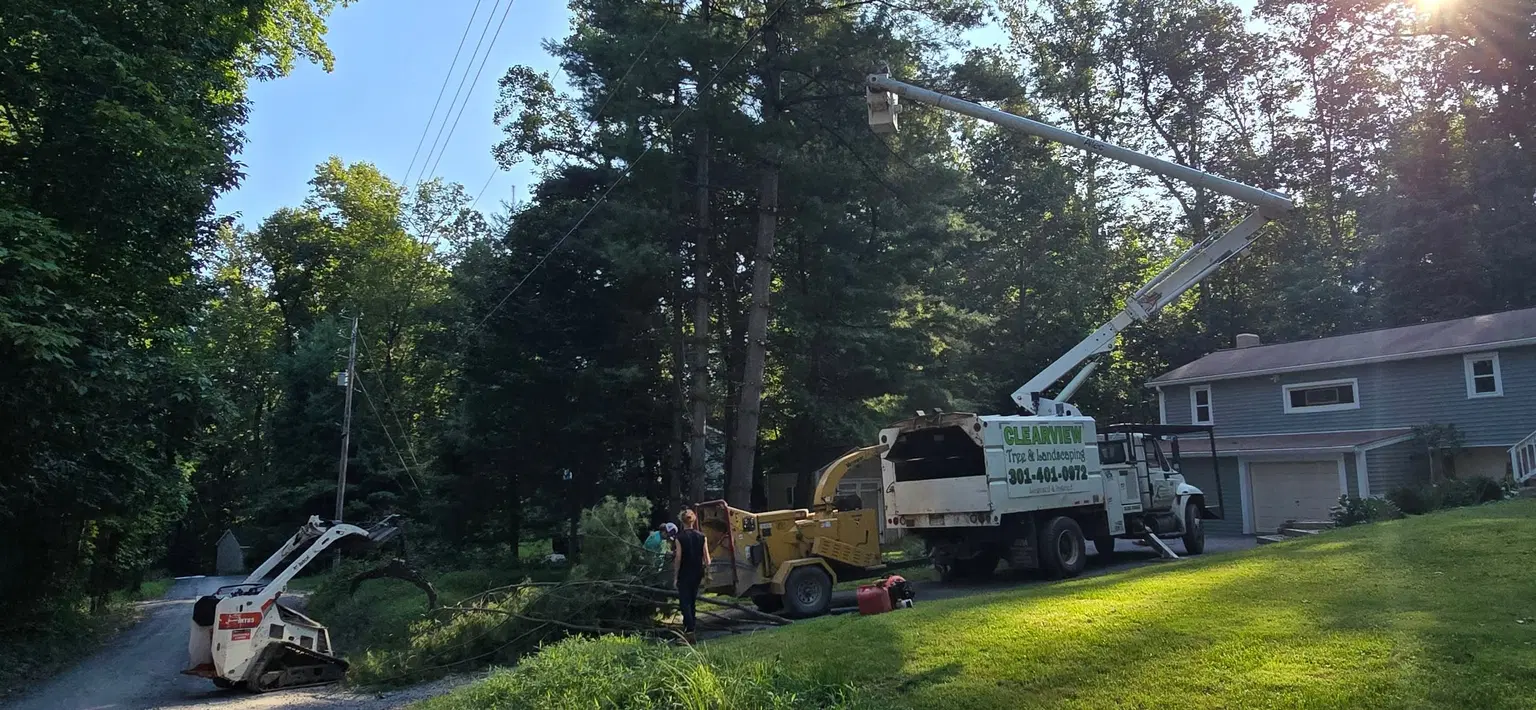
- Safe and Efficient Removal: On the day of the job, a trained and insured crew arrives with the right equipment. They execute the plan with precision, dismantling the tree in a controlled manner that prioritizes the safety of everyone and everything on your property.
- Thorough Cleanup and Preparation: A key differentiator of professional service is what happens after the tree is down. The team performs a complete tree cleanup, removing all branches and logs. They can then perform stump grinding to remove the stump below ground level, leaving you with a clean slate, ready for your new garden.
From Cleared Space to Thriving Habitat
With the tree gone and the stump ground down, you have the perfect opportunity to build your native garden from the ground up. The wood chips from the stump can even be used as natural mulch in other areas of your yard.
Now is the time to think about the soil and select your plants. Berkeley and Jefferson Counties are primarily in USDA Hardiness Zones 6b and 7a, so you'll want to choose species that thrive in our climate. Consider incorporating beautiful and beneficial native plants like Dogwood trees, Redbuds, Coneflowers, and Bee Balm. By choosing plants suited to our region, you'll create a low-maintenance garden that provides four seasons of interest and supports the local ecosystem.
Ready to Create Your Native Plant Oasis?
Transforming your yard into a haven for native plants and pollinators is a rewarding project that enhances your property's beauty and ecological value. If an old, invasive, or poorly placed tree is holding you back, taking the first step with safe, professional removal is key.
At Clearview Tree Service, we are committed to providing exceptional customer service and quality workmanship. We have the expertise and equipment to handle any tree removal project safely and efficiently, preparing your land for its beautiful new purpose. If you're in Berkeley or Jefferson County and ready to clear the way for your dream garden, contact us today for a consultation.